
GOVERNMENT ADVOCACY
THE CHALLENGE
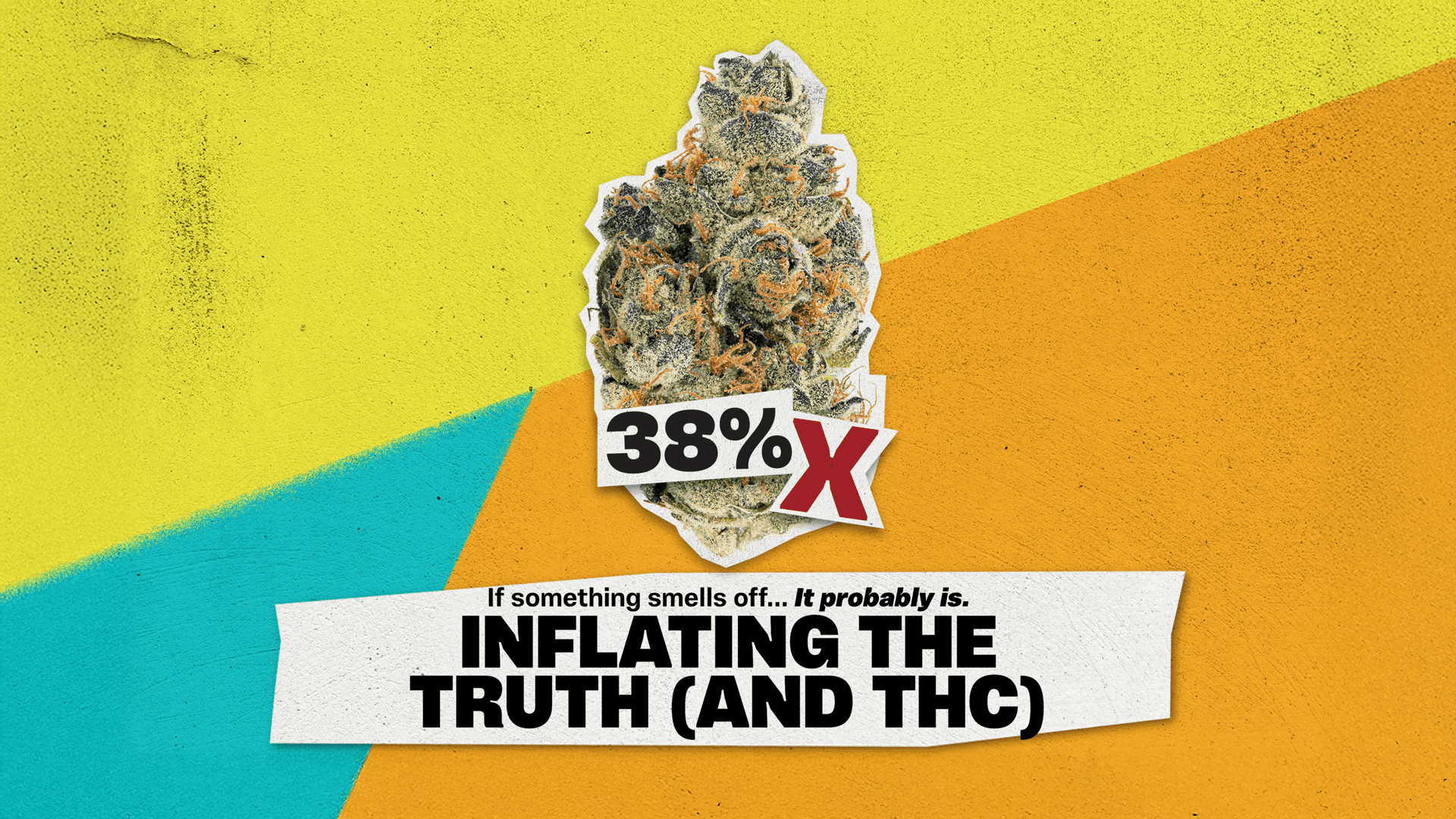
Concerns were growing across the cannabis industry about inflated THC labeling. These inflated claims misled consumers, gave an unfair advantage to non-compliant producers, and weakened public trust in the legal market. Despite repeated warnings from industry stakeholders, there were still no consistent standards or oversight mechanisms to verify THC levels, and Health Canada had yet to address the issue publicly.
WHAT WE DID
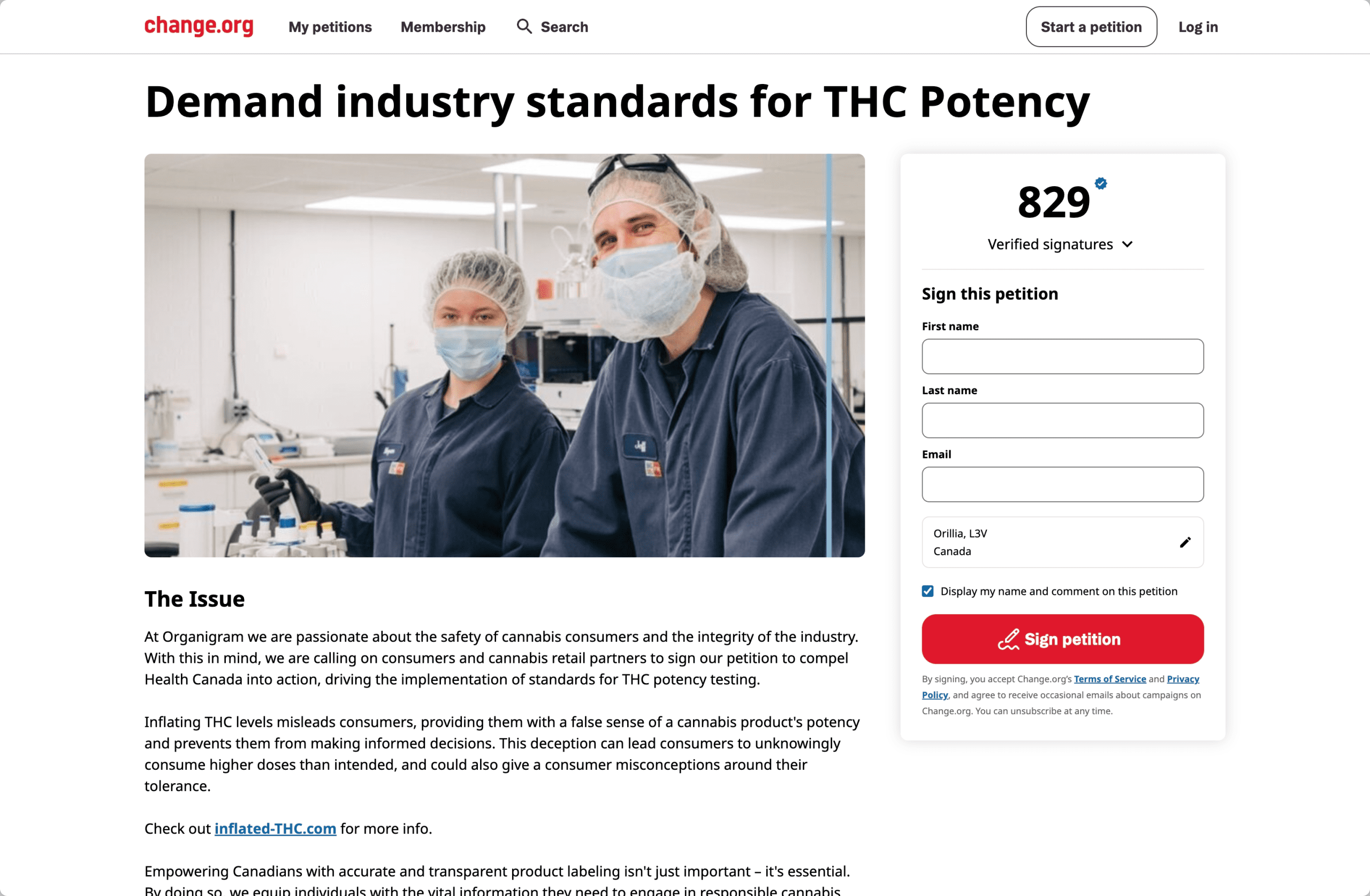
I led a government advocacy campaign focused on THC labeling accuracy to bring national attention to inflated claims and push for regulatory accountability. We launched a petition that gathered 714 signatures and used paid media to amplify the message, resulting in 1.4 million impressions. To further raise awareness, we secured an op-ed in The Globe and Mail, spotlighting the issue for both the public and policymakers. The Ontario Cannabis Store responded by advocating for reliable THC testing and calling on federal regulators to act.
MY IMPACT
This government advocacy initiative played a central role in driving real regulatory change. By combining strategic messaging, targeted media outreach, and stakeholder engagement, I helped transform a niche industry concern into a national regulatory priority. The campaign’s success contributed directly to Health Canada’s decision to launch the Data Gathering Program, which introduced random testing of THC levels in cannabis products. In parallel, the Ontario Cannabis Store (OCS) announced a temporary THC testing program to monitor potency claims across its retail network.
According to Health Canada’s published results, nearly half of the legal products tested had THC levels under 80 percent of what was claimed on the label, confirming industry concerns and reinforcing the need for reform. This marked a critical first step toward greater transparency, consumer safety, and a more level playing field for licensed producers.